
Synopsis
Only four flex-fuel passenger vehicles have been registered in Delhi since the technology entered the market last month, highlighting a slow start despite the government's push for ethanol-blended fuels to reduce crude oil imports.
Only four flex-fuel passenger vehicles have been registered in Delhi since the technology entered India's passenger vehicle market last month, according to government Vahan portal data.
Three flex-fuel cars were registered in June, when the first passenger FFV was launched, while one more was registered in July. A flex-fuel motorcycle from another manufacturer also debuted in June.
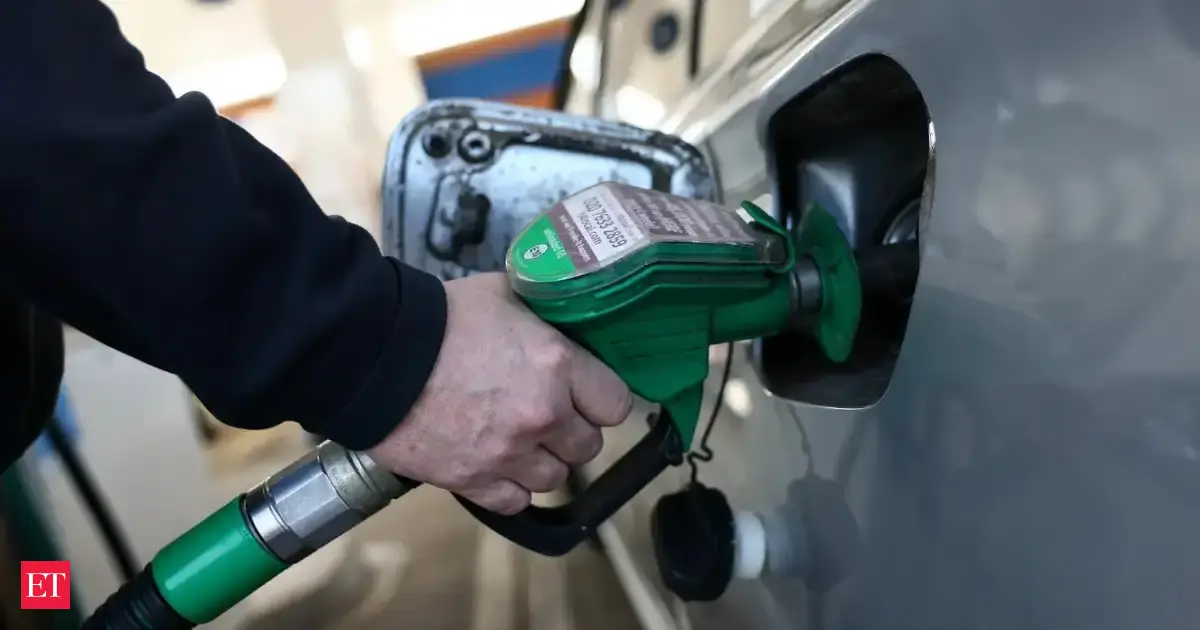
Flex-fuel vehicles (FFVs) can run on petrol, ethanol or a blend of both, including high-ethanol fuels such as E85 and E100. Unlike conventional petrol vehicles, FFVs are equipped with ethanol-resistant components, specialised injectors, recalibrated engine control units and sensors that automatically adjust engine performance based on the fuel mix.
In Delhi, flex-fuel cars are priced from about ₹7.2 lakh (ex-showroom), while motorcycles cost between ₹72,792 and ₹1.24 lakh. E85 fuel, which these vehicles can use, is available at select fuel stations for around ₹82 per litre.
The push for ethanol-blended fuel is aimed at reducing India's dependence on crude oil imports. However, concerns have recently surfaced over the performance of E20 fuel, with some claiming it lowers fuel efficiency and may damage engines. While there is no conclusive evidence to support these claims, the debate risks creating uncertainty among potential buyers, an industry expert said.
Live Events
The International Council on Clean Transportation India managing director Amit Bhatt said, “It will take time for the supporting infrastructure to develop. There are also limited models available at present.”
Bhatt added that Delhi’s policy environment is currently geared towards electric vehicles, making EVs a more attractive choice for buyers who are considering alternative technologies. “Even though ethanol is cleaner than petrol, flex-fuel vehicles still have tailpipe emissions, which contribute to air pollution. People looking to shift to cleaner technologies are therefore more likely to opt for electric vehicles, given the strong policy push for EVs in Delhi,” he said.
In markets like Brazil, where the government enforces differential pricing and higher ethanol blends are significantly cheaper than pure petrol, there too electric cars account for about 10% of sales, he said.
Transport expert Anil Chhikara of the Asian Institute of Transport Development said the ongoing debate around E20 compatibility may also have affected consumer confidence. “The controversy around E20 has come at a time when these flex-fuel models have been launched, so that would have affected sales,” he said.
For wider adoption, Chhikara said governments should themselves begin using flex-fuel vehicles. “If we want mass adoption of flex fuel, trust has to be built. Govt fleets should start using these vehicles. Ultimately, new technologies gain acceptance through user experience,” he said.
“Also, winning the game lies in word-of-mouth feedback. Only when people give good feedback in their areas, will the sales rise,” he added.
A former Delhi govt official, who was part of govt’s transition to electric from CNG, said limited availability of higher ethanol-blend fuel stations, a small number of vehicle models and the absence of an established servicing ecosystem mean buyers have little incentive to opt for flex-fuel vehicles. “But in the coming days, you will see that people have more options and that would translate into sales,” he said. “We spend billions of dollars importing crude oil every year, which negatively affects our economy,” he added.
(With inputs from Times of India)
(You can now subscribe to our Economic Times WhatsApp channel)
(Catch all the Business News, Breaking News and Latest News Updates on The Economic Times.)
Subscribe to The Economic Times Prime and read the ET ePaper online.
(You can now subscribe to our Economic Times WhatsApp channel)
(Catch all the Business News, Breaking News and Latest News Updates on The Economic Times.)
Subscribe to The Economic Times Prime and read the ET ePaper online.