
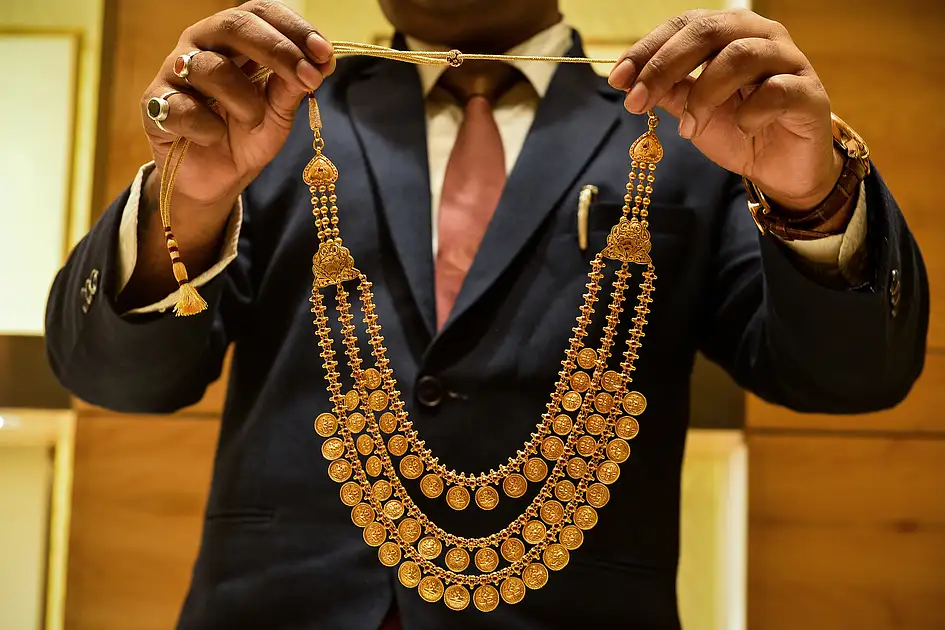
Gold jewellery demand will likely remain under pressure during the next half of the year, while geopolitical uncertainty, inflation concerns and limited alternative investment options will continue supporting demand in bars and coins, the World Gold Council said.
The Council, an international trade association for the gold industry with offices in the UAE, expects investments to be the primary source of demand growth for the remainder of the year.
Lowest since pandemic
In its Gold Demand Trends report for the second quarter of 2026, jewellery demand fell to its lowest quarterly volume since the pandemic (278t), as high gold prices and broader inflationary pressures continued to constrain affordability. In comparison, spending on gold jewellery was up 14 per cent year-on-year at $40 billion.
Stay up to date with the latest news. Follow KT on WhatsApp channels.
Middle Eastern jewellery demand remained weak in the second quarter as elevated prices continued to weigh on affordability. Despite the backdrop of regional geopolitical disruption, some support came from prices below their earlier peaks.
Saudi Arabia was among the region’s strongest performers, with an 8 per cent year-on-year decline. In the UAE, the market recorded a 14th consecutive quarterly year-on-year decline, making it one of the few markets to see a year-on-year drop in US dollar demand value.
Because of the country’s reliance on tourists as a source of jewellery demand, the US-Iran conflict weighed on activity as tourist arrivals declined. The market gained some support from lower prices and Indian expatriate demand, the latter of which will likely be boosted during the rest of the year thanks to India’s import duty hike affording the region a price advantage.
Investment demand strong
While jewellery demand remained weak, investment demand in the region proved more resilient. The World Gold Council said geopolitical uncertainty continued to support safe-haven buying, while the correction in gold prices later in the quarter encouraged bargain hunting.
In the UAE, bar and coin investment rose 30 per cent year-on-year during the second quarter, benefiting from safe-haven demand as well as India's higher import duty, which made buying gold in the UAE relatively more attractive. Across the Middle East, investment demand remained supported despite moderating from the exceptionally strong levels seen earlier this year.
Globally, total gold demand, including over-the-counter (OTC) investment, was unchanged year-on-year at 1,269 tonnes during the second quarter, taking first-half demand to 2,522 tonnes, up 2 per cent from a year earlier. However, the value of demand climbed to a record $380 billion as elevated prices boosted spending.
Jewellery demand fell to 278 tonnes, its lowest quarterly volume since the pandemic, as high gold prices and broader inflationary pressures constrained affordability. In contrast, spending on gold jewellery increased 14 per cent year-on-year to $40 billion, while bar and coin investment remained broadly steady at 307 tonnes after two exceptionally strong quarters.