The Sensex soared 90% while salaried Indians saw almost zero real income growth. Corporate profits climbed, but household budgets tightened under rising inflation. Debt exploded across credit cards and personal loans. Finfluencer Ankur Warikoo warns the middle class is being quietly squeezed out of India’s growth story.
Why market doubled, salaries didn’t: Expert breaks down India’s deepening middle class wealth crisis
India’s booming stock market has created unprecedented wealth over the last five years — but almost none of it has reached the average salaried worker. This is the troubling conclusion entrepreneur and finfluencer Ankur Warikoo highlighted in his latest YouTube video, calling the current phase “the biggest middle-class squeeze in independent India”.
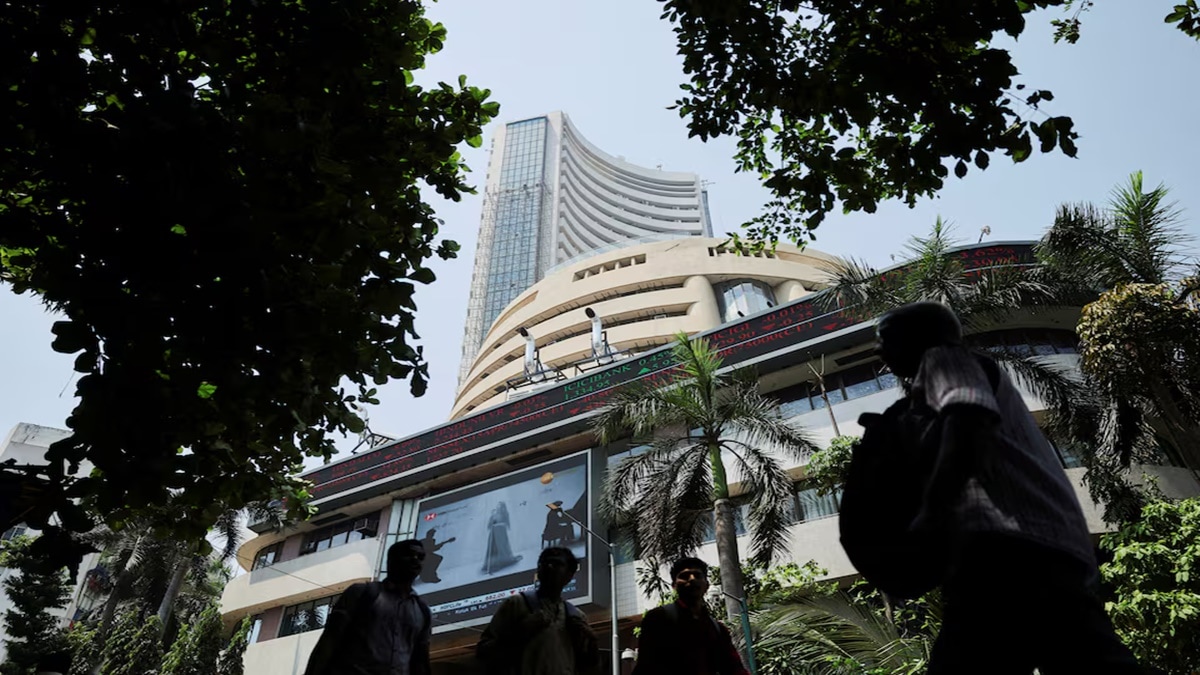
Between 2020 and 2024, markets exploded. The Sensex jumped 90%, nearly doubling investor wealth. The Nifty hit 59 all-time highs in 2024 alone, while mid- and small-cap indices logged annual gains above 22–25%, making it one of the strongest bull runs in history. Yet behind the soaring charts lies a starkly different economic reality.
According to data cited by Warikoo, real income — inflation-adjusted wages — grew by just 0.1% over the same period. In effect, salaries stagnated even as the cost of living nearly doubled. The breakdown is even more alarming: real income for employed men fell 6.7%, for salaried women by 12.7%, and for self-employed women by a staggering 32%.
Meanwhile, corporate profits surged by 23%, and inflation ensured that something costing Rs 10 lakh five years ago now costs over Rs 21 lakh. The results are visible in India’s savings data. Household savings as a percentage of national income fell from 11.7% to 5.2%, the lowest in 47 years. And the fall is not because people are investing more — it is because basic consumption has become more expensive. Credit card bills, personal loans, and retail loans have all risen sharply, with unsecured borrowing becoming the fastest-growing segment.
Warikoo argues this divergence has created the sharpest wealth concentration India has ever recorded. The top 1% now owns 40% of national wealth — up from 13% in 1961 — and 22.6% of national income, the highest in a century. This figure is higher than Brazil, South Africa, the US, and China. India today also has 333 billionaires, whose combined wealth equals 50% of India’s GDP. In contrast, billionaire wealth has grown 280% over the past decade, while national income grew only 24%.
The middle class — which represents 40% of the population — is being hollowed out. Their share of national income has plunged from 45% in 1980 to 23% today. Home ownership, the defining marker of middle-class aspiration, is now increasingly out of reach. Warikoo pointed out that even a person earning ₹10 lakh annually in Mumbai, saving 30% a year, would need 55 years to buy an average home. The national ratio of house price to annual income stands between 7x and 17x, far above the global comfort band of 3x to 5x.
Warikoo calls this the “middle-class trap” — a cycle where salaries lag inflation, loans fund consumption instead of wealth creation, and the rich grow richer because their money works harder than they do. He urges young Indians to avoid bad debt, build emergency buffers, and invest consistently in long-term equities. With salaries barely rising, he warns, only disciplined investing can break the cycle.
“The rich aren’t getting rich by working harder,” he says. “They’re getting rich by making their money work smarter — and the middle class must learn to play that game too.”