The indicators used for identifying a bank as D-SIB are: size, interconnectedness, substitutability (including total value and volume of payments made in Rupees) and complexity
SBI, HDFC Bank, ICICI Bank continue to be identified as Domestic Systemically Important Banks: RBI
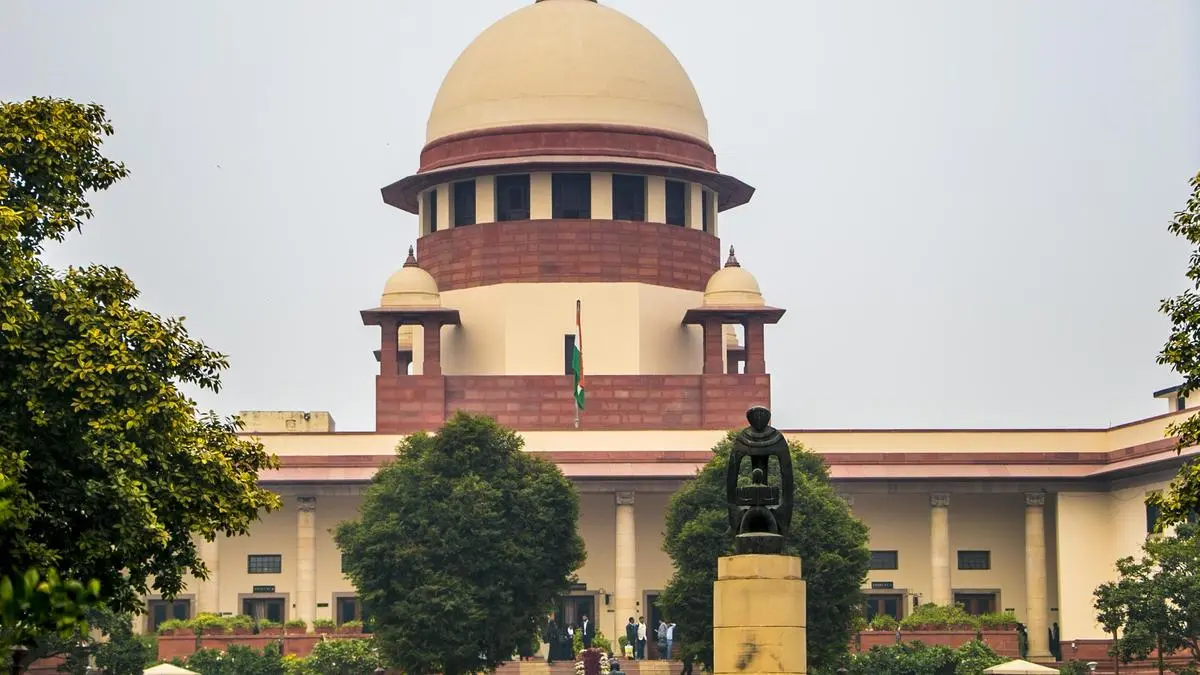
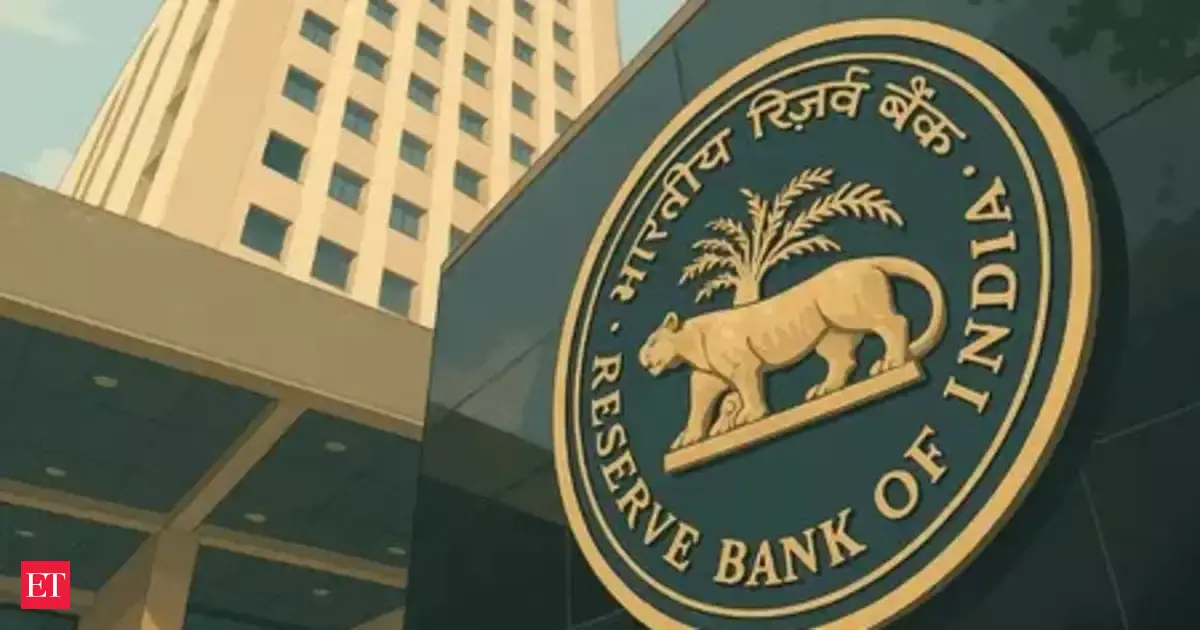
The Reserve Bank of India (RBI) said on Tuesday that State Bank of India (SBI), HDFC Bank and ICICI Bank will continue to be identified as Domestic Systemically Important Banks (D-SIBs).
The D-SIB designated banks have to maintain additional common equity tier 1 (CET1), in addition to the capital conservation buffer.
The additional CET 1 requirement for the aforementioned bank continues at last year’s level. SBI has been prescribed an additional CET 1 requirement of 0.80 per cent as a percentage of its risk weighted assets (RWAs); HDFC Bank (0.40 per cent) and ICICI Bank (0.20 per cent) .
Within the CRAR (capital to risk-weighted assets ratio) of 11.5 per cent for banks, the CET-1 is at 5.5 per cent. So, if SBI wants to make a loan, it will have to back it up with 12.3 per cent of the loan amount as capital, going by the D-SIB prescription.
If HDFC Bank and ICICI Bank want to make a loan, they will have to back it up with 11.9 per cent and 11.7 per cent, respectively, of the loan amount as capital.
The indicators used for identifying a bank as D-SIB are: size, interconnectedness, substitutability (including total value and volume of payments made in Rupees) and complexity.
In its December 2023 Framework for Dealing with D-SIBs, the RBI underscored that D-SIBs are perceived as banks that are too big to fail (TBTF). This perception of TBTF creates an expectation of government support for these banks at the time of distress. Due to this perception, these banks enjoy certain advantages in the funding markets.
However, the perceived expectation of government support amplifies risk-taking, reduces market discipline, creates competitive distortions, and increases the probability of distress in the future.
“These considerations require that SIBs should be subjected to additional policy measures to deal with the systemic risks and moral hazard issues posed by them,” said the RBI.
Published on December 2, 2025