The Reserve Bank of India has identified State Bank of India, HDFC Bank, and ICICI Bank as domestic systemically important banks. These institutions will continue to require additional common equity tier 1 capital ratios of 0.8%, 0.4%, and 0.2% respectively, effective from April this year.
RBI says SBI, HDFC, ICICI remain as systemically important banks
Synopsis
The Reserve Bank of India has identified State Bank of India, HDFC Bank, and ICICI Bank as domestic systemically important banks. These institutions will continue to require additional common equity tier 1 capital ratios of 0.8%, 0.4%, and 0.2% respectively, effective from April this year.
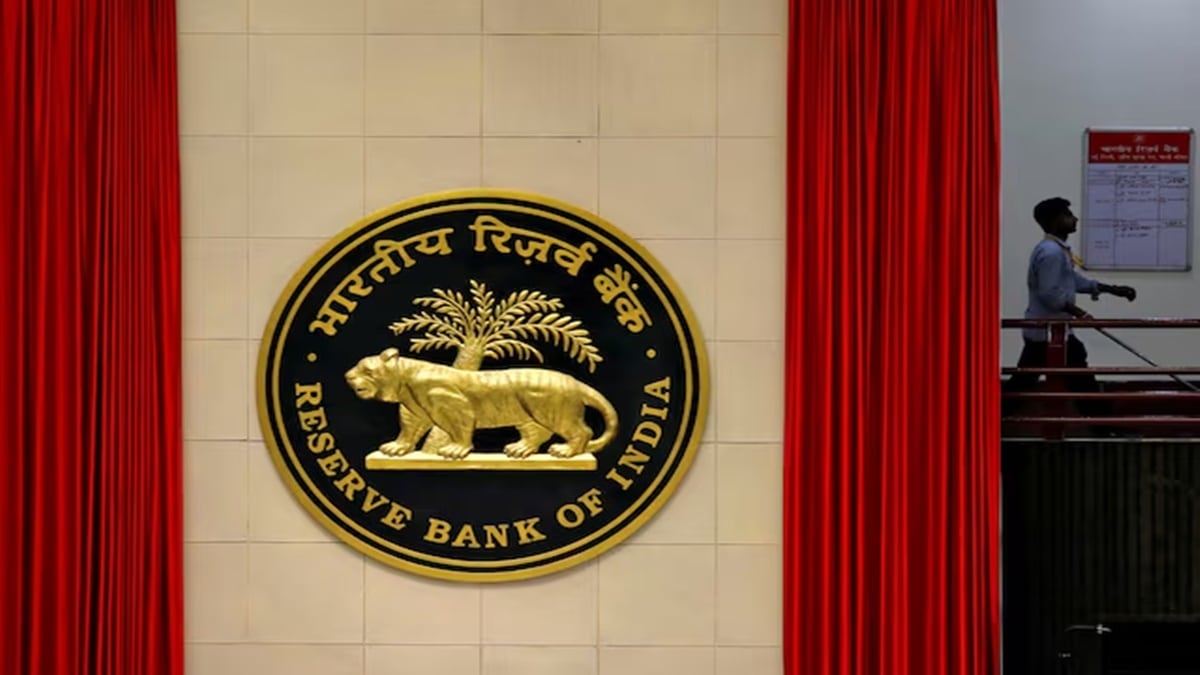
Kolkata: The Reserve Bank of India on Tuesday said that State Bank of India, HDFC Bank and ICICI Bank remained as domestic systemically important banks and they will have to maintain additional common equity tier 1 (CET1) capital ratio of 0.8%, 0.4% and 0.2% respectively in addition to the capital conservation buffer.
This level of higher capital surcharge on these banks has been applicable since April this year. Earlier, the surcharge applicable to SBI and HDFC Bank was 0.6% and 0.2% up to March 31.
The current update is based on the data collected from banks as on March 31, 2025. the central bank said.
RBI discloses the names of systemically important banks every year and places these banks in different buckets depending upon their systemic importance scores.
Systemically important global banks having branch presence in India such as Citigroup or HSBC also have to maintain additional CET1 capital surcharge in India as applicable to it globally, proportionate to their risk weighted assets in India.
Live Events
(You can now subscribe to our Economic Times WhatsApp channel)
(Catch all the Business News, Breaking News and Latest News Updates on The Economic Times.)
Subscribe to The Economic Times Prime and read the ET ePaper online.
...moreless
(You can now subscribe to our Economic Times WhatsApp channel)
(Catch all the Business News, Breaking News and Latest News Updates on The Economic Times.)
Subscribe to The Economic Times Prime and read the ET ePaper online.
...moreless