Investors will be able to subscribe to the issue between December 3 and December 5, 2025, with allotments expected to be finalised on December 8. , Markets, Times Now
Meesho IPO To Open On December 3: Check Latest GMP Trends, Price Band & Expert Advice Before You Apply
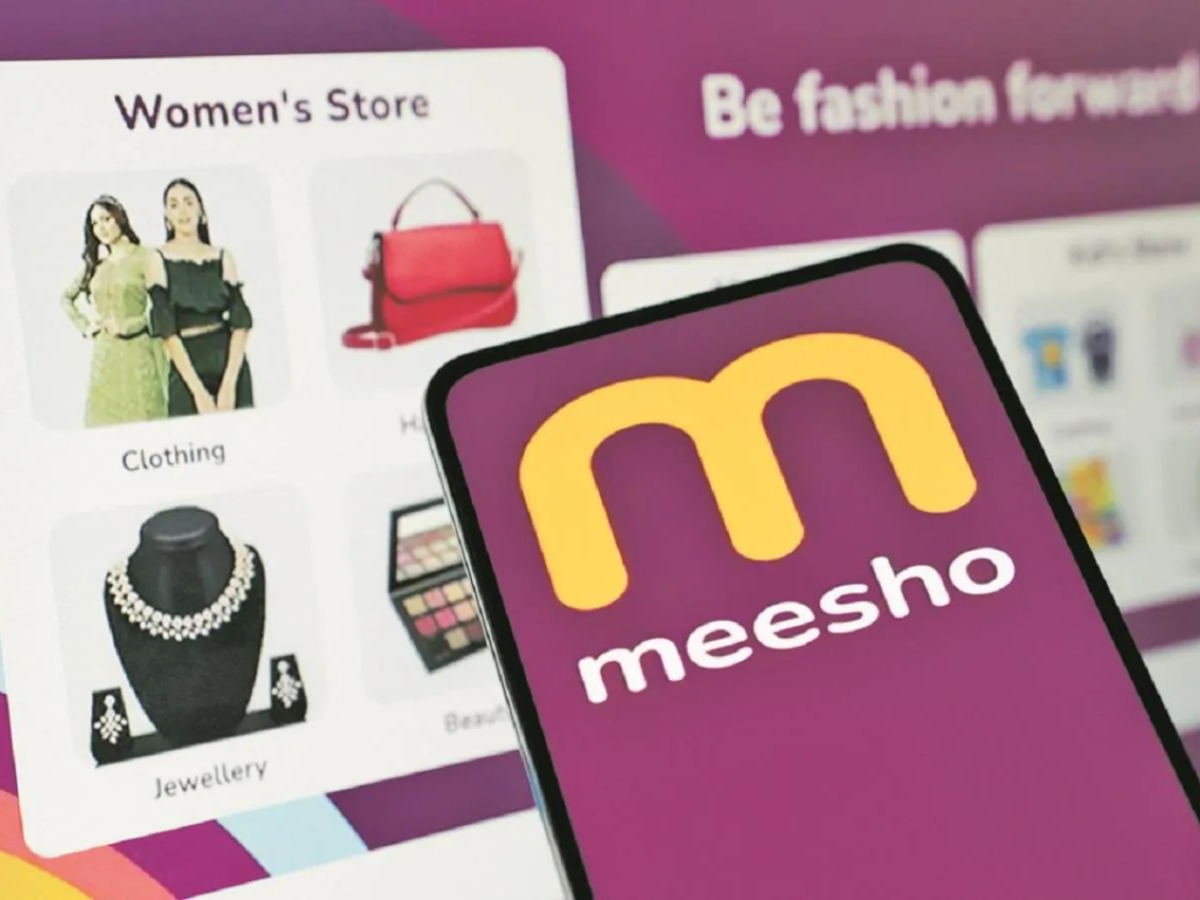
Meesho Limited is gearing up for one of the most closely watched public offerings of 2025, with its Rs 5,421.20 crore book-built IPO set to open on December 3. The issue combines fresh equity worth Rs 4,250 crore with an additional Rs 1,171.20 crore through an offer for sale, taking the total share count to more than 48.8 crore.
Investors will be able to subscribe to the issue between December 3 and December 5, 2025, with allotments expected to be finalised on December 8. Meesho has priced the shares in a band of Rs 105 to Rs 111, offering retail buyers an entry point starting at Rs 14,985 for a lot of 135 shares. Larger investors also have clearly defined tiers, with sNII participants beginning at 14 lots, while bNII applicants must bid for a minimum of 67 lots.
The latest Meesho IPO GMP is Rs 46.5, updated on December 2, 2025, at 10:55 am, according to the grey market tracking website, Investorgain. With a price band of Rs 111.00, the estimated listing price stands at Rs 157.5 (cap price + today’s GMP). This implies an expected 41.89 per cent gain per share.
As per the allocation framework, not less than 75 per cent of the offer is reserved for qualified institutional buyers, while retail investors receive up to 10 per cent, and non-institutional investors get up to 15 per cent. Kotak Mahindra Capital Co. Ltd. will serve as the book-running lead manager, with Kfin Technologies Ltd. acting as the registrar, overseeing allotments and share transfers.
Founded in 2015, Meesho has expanded into a major tech-driven marketplace that links consumers, sellers, logistics providers, and content creators. By simplifying online commerce and lowering operating costs for sellers, it has become a preferred platform for budget-conscious shoppers across India. Pre-issue shareholding stands at 4.13 billion shares, which will rise to 4.51 billion post-issue as the company increases its equity base to support future growth initiatives.
Dr Ravi Singh, Chief Research Officer from Master Capital Services, told Times Now, "Meesho’s cash flow turnaround is largely, as the company has slowed down aggressive spending and become far more selective about where it puts money. Marketing costs are more controlled, logistics operations are tighter, and there is better discipline in managing receivables and payables. A part of the reported FCF is also supported by interest income from cash on the balance sheet. This phase of capital efficiency looks sustainable in the near term as long as growth stays steady. However, as Meesho pushes into new categories or new states, some rise in spending is inevitable, which could temporarily pressure free cash flow again."
According to Singh, Meesho’s growth is different because it is still tapping into a part of India that is not fully penetrated by large e-commerce players. A big chunk of its demand comes from first-time online buyers in smaller towns who are more focused on price and selection than on brand names. Its wide seller base keeps prices competitive without always needing heavy discounting. That said, sustaining 40–50 per cent growth every year will not be easy. As competition increases in value commerce, customer acquisition will gradually become more expensive. Growth can continue, but the pace may moderate over time.
"Negative EBITDA at this scale does raise questions, but it does not automatically mean the zero-commission model is broken. Meesho’s strategy has been to prioritise rapid expansion and low seller entry barriers rather than near-term profits. The real test will be whether revenues from logistics, advertising, fintech and seller services can eventually offset operating costs. The model can work, but only if volumes keep rising and cost control improves meaningfully. Profitability is possible, but it will likely come gradually rather than through any sudden turnaround. Investors should see this as a long-term execution story, not a quick-margin business," he added.