Despite strong economic indicators, rupee depreciation bears down on policymakers ahead of MPC meeting
Low inflation, but strong GDP growth poses a dilemma for RBI MPC on repo rate cut
When CPI (consumer price index) inflation numbers for October came in at a record low of 0.25 per cent, many concluded that the Reserve Bank of India’s monetary policy committee (MPC) would cut its repo rate by 25 basis points in the December MPC meeting.
But, now after a better-than-expected 8.2 per cent GDP growth in the July-September quarter, some are beginning to wonder if the RBI may perhaps maintain a status quo, leaving the door open for a rate cut to another day.
While low inflation signals the central bank can cut rates, the strong GDP growth means there is no emergency to do so right now. The continued depreciation of the rupee against the US dollar poses another challenge for the RBI.
So far this year, the MPC has cut the repo rate, the benchmark rate at which the central bank lends money to commercial banks, by 100 basis points (1.0 per cent) to 5.50 per cent from 6.50 per cent, but has left it on hold since August. How it sees inflation and growth panning out in 2026 will be weighing heavily on what it does on the interest rate front when the MPC meets this week.
Pranjul Bhandari, chief India economist at HSBC, is expecting a 25 bps rate cut this time, as inflation is expected to remain well below the RBI’s 4 per cent target for the foreseeable future. Also, economic growth may slow in the quarters ahead, amid export pressures.
“Growth is strong for now, but could soften in the March 2026 quarter as the fiscal impulse becomes contradictory and exports slow. We expect the RBI to ease policy rates in the upcoming December policy meeting,” said Bhandari.
Speaking last week, the RBI Governor Sanjay Malhotra had said that there was a scope for a repo rate cut, but the MPC would decide on it. However, those comments were a few days before the GDP data was released by the centre.
Tanvee Gupta Jain, the chief India economist at UBS, also continues to expect a rate cut in her base case, but feels the task for the MPC has become tougher post the much stronger second quarter growth numbers.
“While the minutes of October policy review and the recent comments by the RBI governor indicated a low bar for a 25 bps rate cut in the MPC review, we think the MPC will need to justify any further policy easing based on forward looking guidance on growth (if the downside risks from higher US tariffs, payback from front-loading of goods exports to the US and limited headroom for central government capital expenditure in the second half would outweigh the benefits of GST rationalisation) and the need to adjust high real policy rates,” said Jain.
Even as there have been external headwinds following geopolitical tensions and the US administration levying 50 per cent tariffs on Indian imports, a strong consumption boost supported by the GST cuts announced in September, earlier income tax relief, and festive season demand has continued to fuel the economic momentum. UBS has now raised its real GDP growth forecast for the current financial year ending March 2026 to 7.4 per cent from 6.8 per cent. Meanwhile, retail inflation this financial year is expected to average 1.9 per cent, 70 bps below RBI’s 2.6 per cent forecast.
Taimur Baig, chief economist, DBS Group Research at Singapore’s DBS Bank, also sees “more than even chance” that the MPC will lean towards a 25 bps rate cut this week. But, it will be a “close call” in the backdrop of the low inflation, strong growth and the sliding rupee.
“A weak rupee has been a thorn in the policymakers’ side, as the currency slid to a new low. Authorities have defended the currency aggressively in recent weeks, but a firm dollar, portfolio equity outflows, and a temporary widening in the goods trade deficit have offset part of its impact,” pointed Baig.
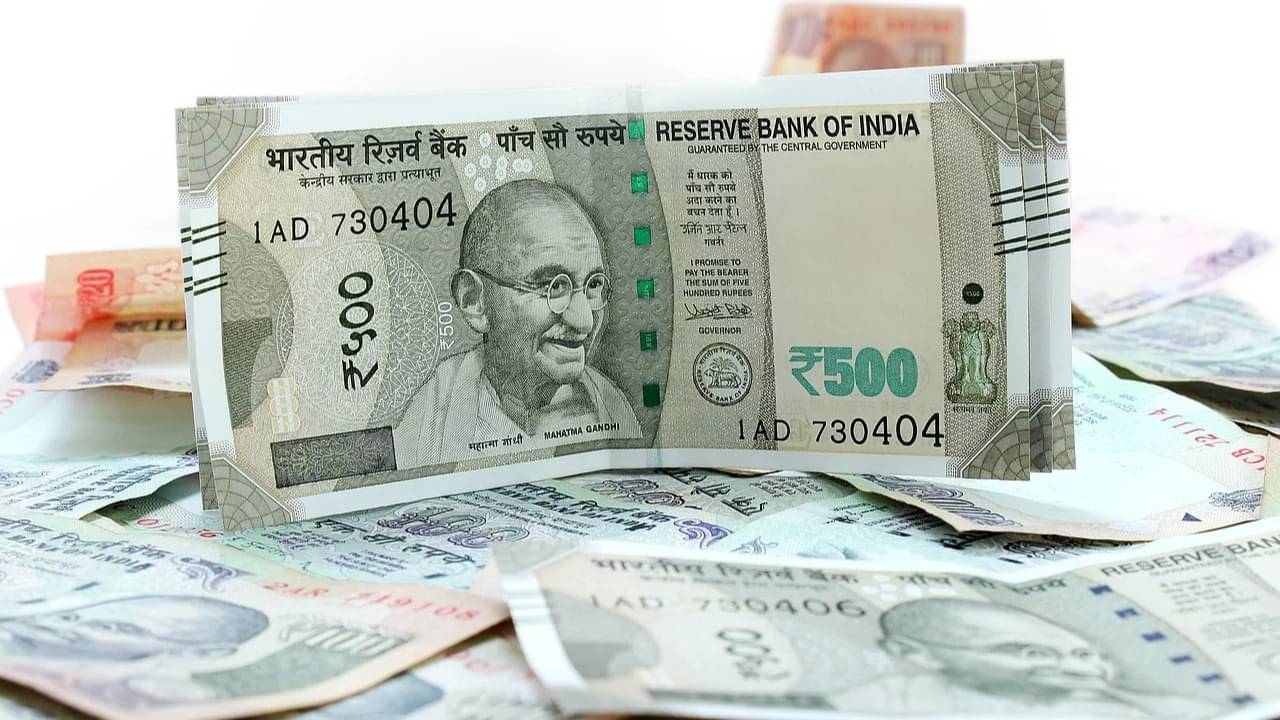
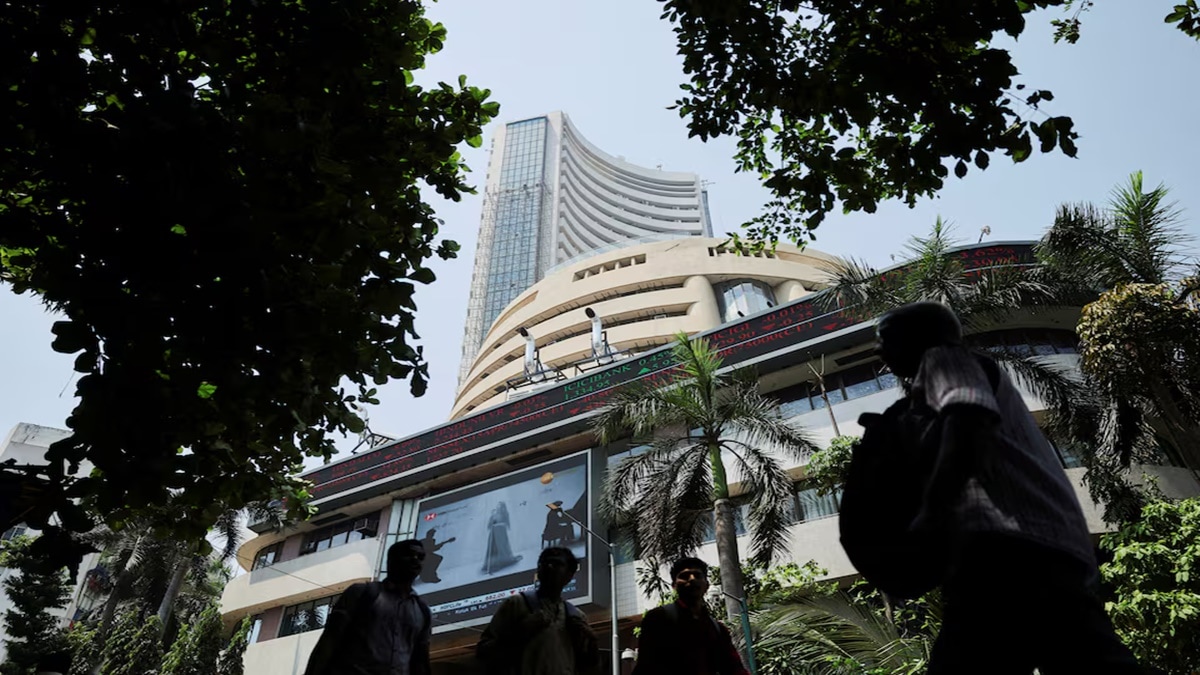
The rupee hit an all-time low of 89.85 to the US dollar in early trading on Tuesday. Despite the strong economic growth, the prevailing uncertainty around a bilateral trade between India and the US, as well as sustained pullout from equity markets by foreign institutional investors, has kept the pressure on the rupee. In 2025, up to December 1, foreign portfolio investors had pulled out Rs 1.47 lakh crore from the stock market, according to NSDL data.
To make a case for a rate cut, the MPC will likely highlight risks to the forward-looking growth trajectory with prevailing low inflation providing them with the necessary room, Baig said, adding that the MPC may revise its inflation forecast for the year downwards by at least 50-60 bps.
Bank of Baroda Economist Aditi Gupta, however, expects the RBI to keep the repo rate on hold.
“Growth has held ground in the third quarter, largely supported by GST cuts and festive demand. At the same time, lower food inflation has kept a lid on headline inflation. Given this backdrop, the MPC is likely to move on rates only in case the risks to growth materialise in the fourth quarter,” said Gupta.
The RBI may take some measures in the form of open market operations to maintain liquidity surplus, as there can be some pressure on liquidity due to the RBI’s intervention in the forex market to support the rupee, she felt.
Soumya Kanti Ghosh, member of the 16th Finance Commission and group chief economic advisor at State Bank of India, is also now leaning towards a status quo.
“Expectations built till a few days back of a shallow rate cut of 25 bps appear to have faded as finer readings of the strong second quarter growth print and the evolving playbook make the choice tilted in favour of a pause in December policy,” he said.