RBI likely to cut repo rate by 25 bps in Dec amid low inflat...
02 Dec 2025



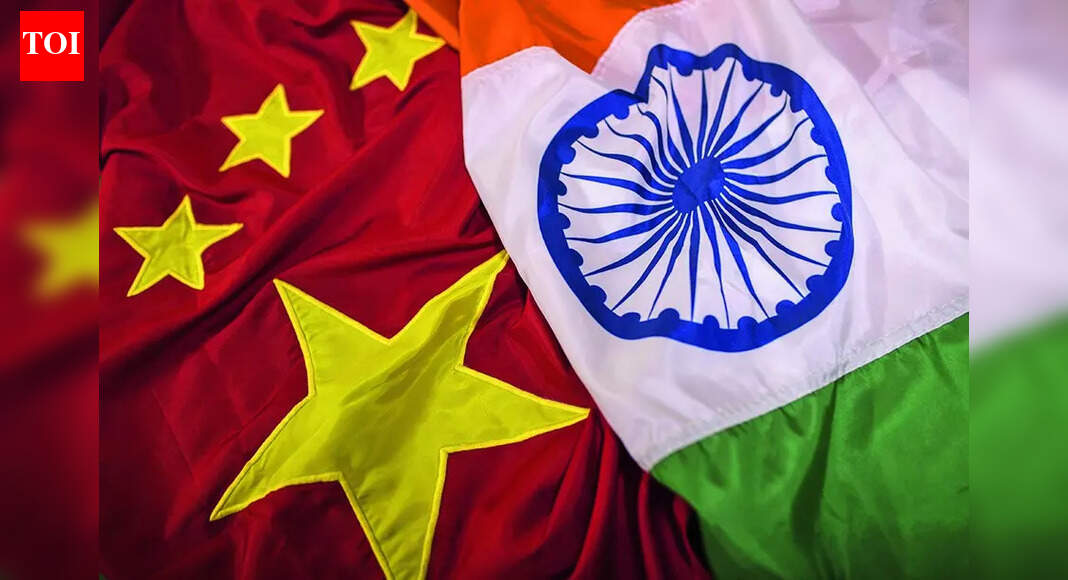
Chinese electronics giants such as Oppo and Vivo are increasingly turning to loans from their group companies to fund their Indian operations, as they face roadblocks in securing equity funding due to regulatory actions and restrictions under Press Note 3 (PN3) rules.
Introduced in 2020, Press Note 3 (PN3) rules have stopped companies headquartered in neighbouring countries, including China, from investing in India through the automatic foreign direct investment route. Every such infusion now requires government approval, which has not been forthcoming, leading to funding challenges for these companies.
Registrar of Companies records show that scheduled payments on ECBs due to the holding company have been deferred without penalties. A leading Chinese brand's senior executive told ET, "In the immediate years after PN3, Chinese companies were struggling with funding as equity capital dried up... Then, there were multiple investigations against most of them by departments of income tax, revenue intelligence and the Directorate of Enforcement in relation to compliance of income tax, customs duties and foreign exchange regulations. This made local bank loans a challenge. So, ECB has become the favoured route."
Haier Appliances India has told the Department for Promotion of Industry and Internal Trade that it requires PN3 approval for fresh capital worth Rs 1,000 crore from its parent to set up a third factory. Since approval is still pending, the firm is now working on a potential stake sale in its India subsidiary to Bharti Group to secure money for the project.
Despite the funding complications and regulatory challenges, Chinese companies remain dominant in India's smartphone space, with eight of the ten most popular smartphone brands in the country being from China, according to the latest findings from IDC India.